Removal Company in Edgware

Our removal company in Edgware provides organised moving support for homes and businesses that need careful handling, clear planning and a straightforward way to request a quotation. We work across common moving needs such as full property removals, flat moves, office relocations and selected item transport, always aiming to keep the process practical rather than complicated. If you are comparing options, start with the type of move you need and the level of help required, then use our service pages to narrow things down.
For many customers, the first decision is whether to book a complete move or a lighter service. A full-house move, for example, involves loading, transport and delivery of furniture and boxes, while a more focused move may suit a smaller property, student accommodation or a single bulky item. Our pages on removal services and house removals outline the core options, while the flat removals page is useful if stairs, lifts or compact access are part of the plan.
To request a quotation, it helps to have a simple list of what is moving, when you would like it moved and whether packing support, storage or specialist handling may be needed. You do not need to overprepare; basic details are enough to begin. If you are ready to proceed, use the contact route on the site and we will take it from there.
House and flat removals arranged around your move
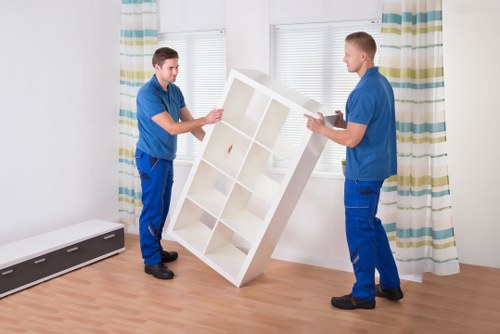
Moving home often requires a blend of practical lifting, sensible sequencing and the right vehicle size. Our house and flat removal work is designed to cover the everyday tasks that make a move run more smoothly: dismantling where appropriate, carrying furniture safely, loading in a logical order and unloading at the destination with care. The aim is to reduce the pressure that comes from trying to manage every stage yourself.
Home moves suit customers who want a service shaped around the full relocation rather than a single collection. If the property is smaller or the route is simpler, a more compact approach may fit better, and the man and van option can be appropriate for lighter moves or mixed loads. Where furniture is the main concern, the furniture removals page explains how individual items can be handled without turning the job into a larger house move.
Every move is different, but the same practical standards matter: protect surfaces where needed, keep walkways clear, label or separate fragile loads and decide in advance which items need extra attention. Good preparation does not mean turning the job into a project of its own; it simply means the removal team can concentrate on lifting, transport and delivery rather than guessing what belongs where. A clear move list also helps when comparing quotes.
Commercial removals for offices and workplaces

Workplace moves need a different rhythm from domestic removals. Office furniture, files, IT equipment and general contents often have to be moved with less disruption to the working day, and they may need sorting into departments, floors or destination rooms. Our office removals and office relocation services pages cover the main commercial options for businesses that want a structured move rather than a rushed clear-out.
Commercial relocation usually benefits from clear labelling and a sensible order of operations. Workstations may need to be taken apart and reassembled, while archive boxes, chairs and storage units can be grouped so they arrive in the right sequence. If your move involves larger items, mixed office contents or multiple access points, it is worth identifying that early. The more specific the inventory, the easier it is to shape the move around the premises and the timetable.
For businesses, quotations are often influenced by item volume, access, parking, the number of floors involved and whether the move needs to be completed in stages. If you are gathering options, simple and accurate information usually works best: what is moving, from where, to where and whether any items need special handling. That allows the move to be planned around practical needs rather than assumptions.
Packing support and careful handling
Packing can be one of the most time-consuming parts of any move, and it is often where customers want the most flexibility. Some prefer to pack themselves and only need transport, while others want support with wrapping, boxing and organising fragile items. The packing and boxes page gives a useful overview of materials and packing supplies, while packing and unpacking services is the better fit if you want help at either end of the move.
Good packing is not just about filling boxes. It is about using the right container for the right item, avoiding overfilled cartons, protecting breakables and keeping essential belongings easy to find. Books, kitchenware, paperwork, clothes and decorative items all benefit from slightly different treatment. When handled well, packing supports the move itself by making lifting safer and unloading quicker. It also reduces the chance of awkward repacking on the day.
Where fragile or awkward items are concerned, plain communication matters. Letting us know about mirrors, artwork, lamps, screens or heirlooms means the move can be planned with suitable wrapping and positioning. The same applies to access issues such as narrow doorways or shared stairwells. Those details do not need a long explanation, but they do help shape a quotation that reflects the actual work involved.
Specialist item moves and single-item transport

Not every job is a full property move. Some customers only need help with one awkward item, and in those cases a focused collection service can be the better choice. Our furniture pick-up page is useful when the main task is collecting one or more items and bringing them to a new address, while the broader man-and-van options can suit mixed loads that do not justify a larger vehicle.
Specialist handling becomes especially important when an item is heavy, fragile, oversized or awkward to turn through tight internal spaces. The piano removals page covers one of the more specialised examples, but the same general principle applies to other delicate possessions: think through the route, confirm the dimensions and decide whether extra protection or more than one person will be needed. Careful planning is often the difference between a simple lift and a difficult manoeuvre.
Before the move day, it is sensible to group similar items together, measure larger pieces if they are close to the limit of a doorway and note anything that cannot be stacked on top of something else. If you are unsure whether a piece of furniture, equipment or musical instrument should travel with the rest of the load, ask for a quotation and include a brief description. A clear note now can prevent confusion later.
Vehicle choice, access and move planning
Moving truck, removal van and removal truck hire are all relevant when a customer wants to match the vehicle to the amount of furniture and box volume involved. Choosing too little space can create delays, while choosing too much may not be the most efficient option. The right fit depends on the nature of the load, the access at both ends and whether the job is a straightforward run or a more complex relocation.
Access is just as important as capacity. A van that is easy to park may still not be ideal if the route from the property is long or if loading needs to happen across shared areas. Likewise, a larger vehicle may be suitable for the volume but less convenient where streets are tighter. Planning the move around these factors gives you a more realistic quotation and reduces the chance of surprises on the day.
There are a few simple details that help us assess the work accurately:
- what is being moved, including bulky or fragile items
- the start and end locations, with any access limits
- whether packing, dismantling or storage is needed
- the preferred moving date or time window
Storage options and move sequencing

Sometimes a move does not happen in one clean step. You may need to store furniture during a gap between properties, pause a relocation while work is completed, or keep certain items separate from the main load. The storage page covers this useful part of the service range, and it can be particularly helpful where the new place is not ready for everything at once.
Storage is most effective when it is planned alongside the removal itself rather than added as an afterthought. Items may need to be grouped by room, labelled clearly and handled in a way that makes them easier to retrieve later. For customers with a staged move, the sequence can be as important as the transport. It is often more efficient to load stored items carefully than to unpack and repack them several times.
Where storage is part of the job, keep the conversation focused on the essentials: the size of the load, the length of time items are likely to stay out of the property and whether any belongings need special protection. That gives a better basis for a quotation than broad assumptions. If you are still deciding how to split the move, ask for guidance based on the main load first and then add storage only where it genuinely helps.
Student moves, same-day help and smaller jobs
Smaller moves still need organisation, even when the total load is modest. Students often move with mixed contents, such as boxes, suitcases, a bed frame and a few pieces of furniture, and these jobs are well suited to a service that is flexible without being excessive. The student removals page reflects that kind of move, where convenience, timing and simplicity matter as much as volume.
Some customers also need a faster turnaround because a tenancy has ended, a room has to be emptied or the schedule has changed. The same-day removals page is useful if you are looking for urgent support within the service range available on the site. Even when time is tight, it still helps to supply a clear list of items and any access restrictions so the job can be judged properly.
For this type of work, the goal is to keep the process direct. You do not need a long planning document; a few accurate notes are enough. If you are moving only a handful of items, it can still be worth checking whether a full removal, a man-and-van arrangement or a specialist collection makes the most sense. Right-sizing the service tends to be the best way to keep both the moving day and the quotation straightforward.
About Edgware
Edgware is a suburban district in the London Borough of Barnet, on the northern edge of Greater London. It grew from a historic village on the old Watling Street route, which later became part of the modern A5, and its development accelerated with suburban expansion and transport links in the nineteenth and twentieth centuries. The name is strongly associated with the road corridor that connects the area to central London and Hertfordshire, giving it a long-standing role as a junction point between routes rather than an isolated settlement. Today Edgware is known for its mix of residential streets, local shopping, civic facilities and transport connections, including Edgware Underground station on the Northern line. The area contains a varied built environment, with older surviving structures alongside twentieth-century housing, commercial premises and public spaces shaped by later development. Broadwalk Shopping Centre has long been one of the best-known retail points in the district, while St Margaret of Antioch Church and other local religious buildings reflect the area’s layered community history. Parks, playing fields and smaller green spaces help break up the built form, and the neighbourhood sits within easy reach of larger open landscapes in north-west London. The surrounding road network, including major routes and local arteries, gives Edgware a distinctly connected character that has influenced how the district has grown and how people move through it.
Pricing, quotation details and the final stage of booking
Quotation requests are strongest when they focus on the work rather than on broad estimates. A useful enquiry usually includes the property type, the items to be moved, whether you need packing or storage and any access issues that may affect loading or delivery. If the move includes something unusual, mention that too. The more the quotation reflects the actual job, the easier it becomes to compare options with confidence.
Pricing can vary with distance, access, volume, specialist handling and timing, especially if the job needs extra attention at either end. That is normal across the removals trade. What matters is that the quote matches the real work. If you are unsure how much detail to provide, a short written list is enough to begin. You can always add more information afterwards if a more precise assessment is needed.
If you are ready to discuss a move in Edgware, request a quotation and share the essentials. We can help you identify the right service, whether that means a full house move, an office relocation, packing support or a simple collection. For the next step, use the site contact option and send through the moving details that matter most.